


Please Leave Us A Message
Privacy statement: Your privacy is very important to Us. Our company promises not to disclose your personal information to any external company with out your explicit permission.
 Zhejiang Ailipu Technology Co., Ltd.
Mechanical Diaphragm Dosing Pump
Hydraulic Diaphragm Metering Pump
Select Language
English
There is a common misconception in wastewater applications that the pump is always the source of the problem when it stalls. In fact, many failures are caused by the influence of the system on the pump, other external environmental or operational factors.
As the pump is critical to the wastewater system, it is wise to do more system failure analysis for anomalous or recurring failures. The cost and time required to get to the core issue may be lower than people think, and application engineering or service personnel sent by the vendor are also excellent resources to help resolve this issue or provide guidance.
Events such as abnormal noise and electrical trips that may accompany recurring pump failures should first be investigated. By examining key metrics and asking the right questions, the problem may be effectively resolved or narrowed down to a more targeted service request.

The root causes of pump failures are generally divided into two categories, electrical failures or mechanical failures. Poor quality power supply may cause pump or motor failure, so read the power supply first. Voltage imbalance between phases on the power supply side will cause high current imbalance and motor temperature rise, shortening motor life; a voltage unbalance of 1% will result in a current unbalance of 6-10%, while a voltage unbalance of 3% will increase the motor temperature rise by up to 18%.
In addition, voltage drops and corresponding current rises installed at a distance from the transformer may have a negative impact, and the use of variable frequency drives can have various influencing factors. Please see the section on VFD below.
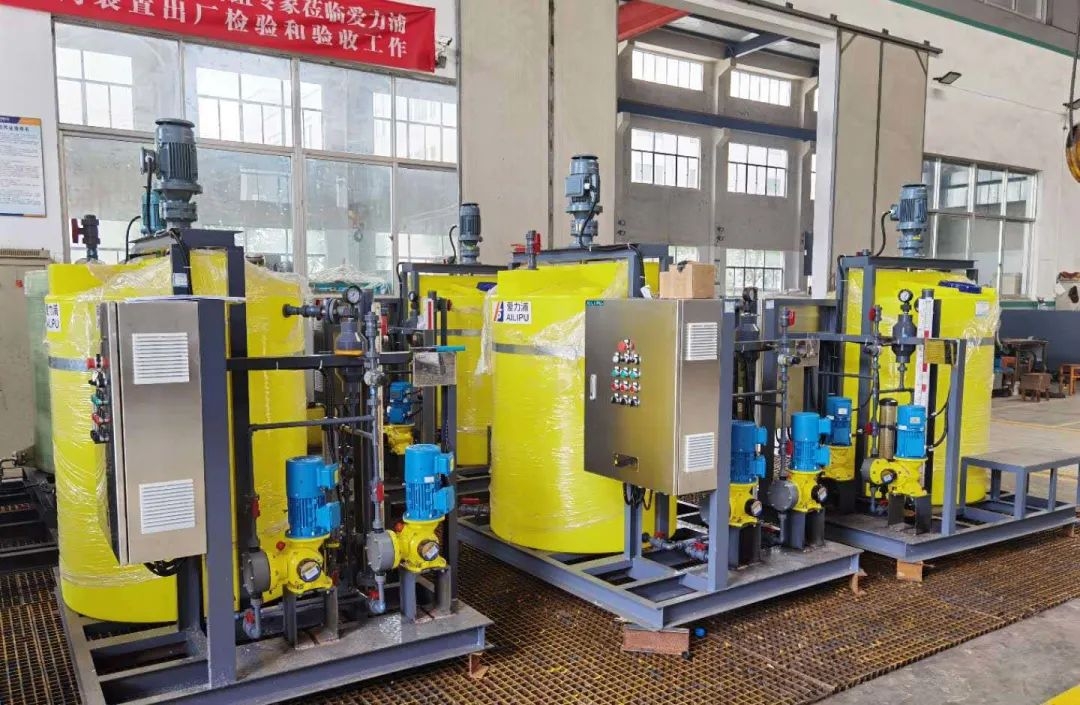
For mechanical or performance problems, it is vital to identify potential causes of high motor current or input power and to know where the pump is running on the curve. The operating "operating point" of the pump is the intersection of the system curve and the pump curve.
During the design phase, the system curves of the pump discharge piping and pressure piping are usually calculated according to some built-in robustness principles. The actual system curve may vary due to the following factors: Sediment buildup in the pipeline, Air Entrainment at High Points of pipeline, scaling on the pipe walls, etc.
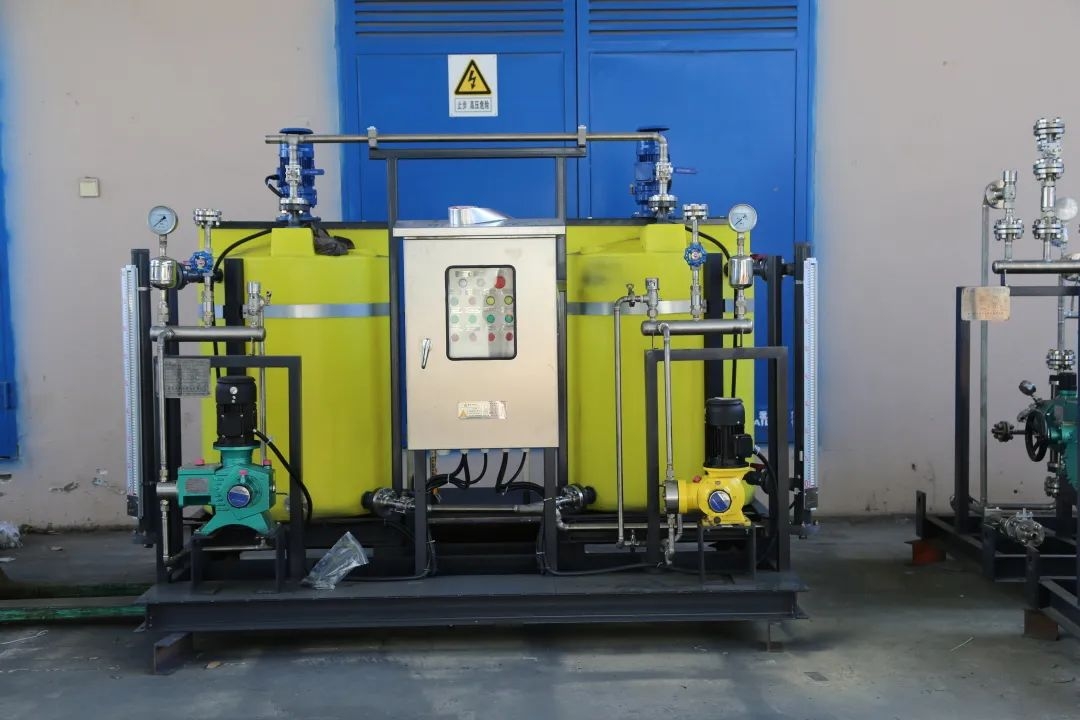
Flow meter readings are ideal for determining the actual flow of the pumps in the system, and can also plot the actual system curve showing where the pump is operating. If a flow meter is not available, a pressure drop test can be used to determine the flow rate of the pump.
In many cases of failure,the pump is not operating within specification and the actual pump flow can be measured to give an idea of the pump performance.
Once a low flow indication is present, an in-depth analysis can be carried out by checking the pressure gauge: if the above points have been checked but a definite problem has not been pinpointed, then a diagnostic test can be considered. A full-service test agency can bring equipment to the site for measuring power quality and dig deeper into mechanical issues with vibration tests and other tests.
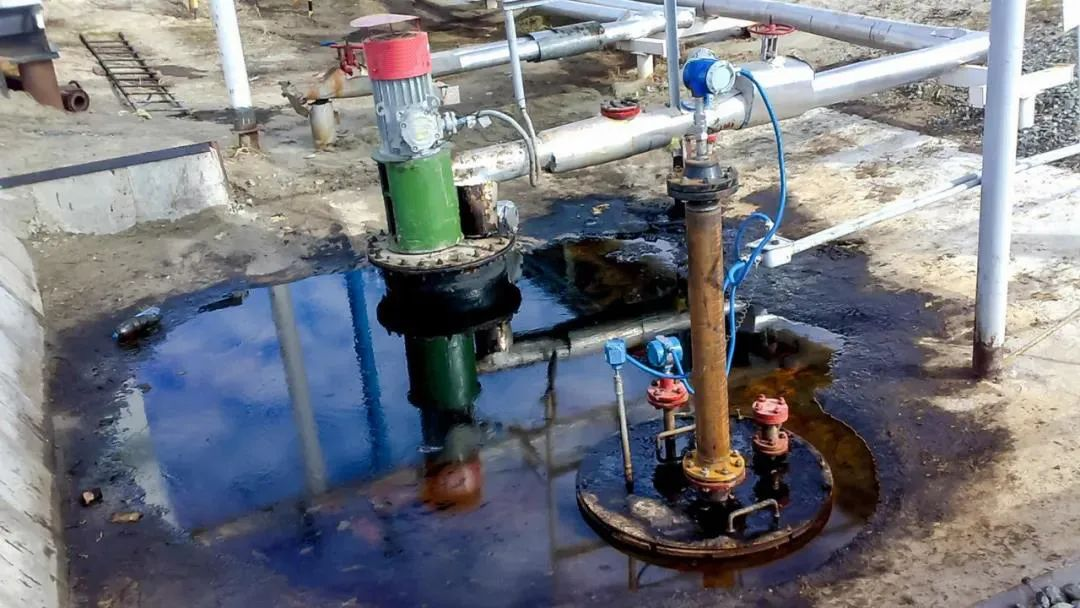
Variable frequency drive(VFD) is very popular because it changes the pump curve by adjusting the speed to achieve a range of flow rates, avoiding initial motor instantaneous peak current. However, VFD has its own set of problems that can lead to pump failure.
The common VFD related problems include low operating speeds. If the pump is oversized, or if the operating point is based on maximum pump station inflow conditions, it may operate at reduced speed.
When using a VFD, several factors such as cable length, cable size and VFD type can lead to voltage distortions in the form of spikes or harmonics that can damage the motor stator or cause common mode voltages and shaft voltages, which can generate bearing currents. Bearing currents can generate heat and degrade bearing grease and rings, which can lead to catastrophic failure. In this case, a sine wave filter or a dV/dT filter may be required.
Pump system, operation, environment, and many other factors can contribute to pump failure in wastewater applications, so fixing repeat failures without digging into the source of the problem is a substandard method.In order to achieve long-term operational safety and savings, it is best to investigate and fix the root cause.

October 03, 2023
How to distinguish single screw pump, twin screw pump and three screw pump: As the name suggests, a single screw pump is only a screw in the pump. Follow the habits of China's screw industry, naming,...
High temperature control valve is the working temperature is greater than 450 ℃ valve. Can be divided into 450 ~ 600 ℃, 600 ~ 700 ℃, 750 ℃ three categories. What are the main problems usually...
Float level gauge is widely used in liquid level, chemical industry, metallurgy, electric power, paper making, food and industrial sewage treatment and other departments. By the magnetic reed switch,...
Because more and more factories use automatic control, manual operation is replaced by mechanical or automation equipment, the executive body is required to act as an interface between the control...
Email to this supplier
October 03, 2023
Related Products List
Contact Us

Privacy statement: Your privacy is very important to Us. Our company promises not to disclose your personal information to any external company with out your explicit permission.
Fill in more information so that we can get in touch with you faster
Privacy statement: Your privacy is very important to Us. Our company promises not to disclose your personal information to any external company with out your explicit permission.